

Your workshop’s insurance may not protect tools you own. Tools of trade insurance for apprentices can cover portable equipment against loss, theft or accidental damage in transit or onsite, subject to the policy limits and security conditions.It’s easy to assume that tools kept at work are covered by the workshop’s policy. In Australia, these policies generally cover business-owned equipment, not staff-owned tools unless they’re specifically included. This guide explains what portable equipment cover may protect, why theft claims can depend on how tools were secured, and where a workshop policy may leave a gap. You’ll also learn how apprentices and new sole traders can arrange cover for their own equipment and decide which option suits the way they work. Key Takeaways Understand how storage and security conditions affect theft cover, particularly when tools stay in a vehicle overnight. See why high-value equipment, hired tools and permanently fixed items can need careful attention in a workshop policy. Explore the different cover arrangements available to apprentices and new sole traders, including standalone portable equipment insurance. Keep receipts, photos and serial numbers for valuable tools to help establish ownership if you need to make a claim. Table of Contents What does portable equipment insurance cover? Limits of a workshop tools and equipment policy Tools insurance for apprentices and new sole traders MyGen Insurance Brokers What does portable equipment insurance cover? Portable equipment insurance can cover business equipment such as tools of trade and stock. For apprentices, the key question is whether personally owned tools are insured through an employer’s policy or covered individually.Cover for personally owned tools Personally owned tools are covered only when the relevant policy includes them. An employer can add staff-owned tools to its business tools policy, or an apprentice can arrange individual portable tools insurance. This distinction matters because a workshop policy generally covers business-owned tools, not employees’ equipment by default. Workers compensation addresses work-related injury or illness, not tools that are lost, stolen or damaged.Portable equipment included in cover Portable equipment cover may include power and hand tools, toolboxes, measuring equipment, safety gear and portable electronics. A mobile phone, laptop, GPS device or camera may fit this category, but the policy wording determines what’s covered. Cover can apply to loss, theft or accidental damage in transit or onsite. Theft from a vehicle may depend on security conditions, such as locked storage or evidence of forced entry.Cover for tools and employee apprentices Portable tools cover can suit apprentices and subcontractors who rely on their own equipment for work. Employee apprentices are generally covered by their employer’s public liability insurance, so they don’t usually need separate public liability cover. Public liability … [Read more...] about Tools of Trade Insurance for Apprentices: What It Covers

Employment practices liability insurance cost and what affects it
A past employment dispute can affect both your premium and how a policy responds to a later claim. Employment practices liability insurance cost depends on factors such as your industry, cover level, annual turnover, employee numbers and claims history, not a single set price. In Australia, this cover may be included in a management liability policy. Claims-made terms also mean the timing of a claim and its notification matters.It’s understandable to want a clear figure and certainty about what a policy will pay. A useful assessment also looks closely at the wording: employment-related claims may involve allegations such as discrimination, harassment or wrongful termination, while defence costs, compensation and wages already owed may be treated differently. This article explains what the cover may address, how claims history can affect cost and which expenses may fall outside the policy, helping you assess the protection you’re considering. Key Takeaways Review your claims history alongside your industry, turnover, employee numbers and chosen cover level to understand what may influence the premium. Check how the policy defines covered people and employment-related claims, and how its limits apply to each section. Separate legal defence costs from compensation and wages already owed, as the policy may treat these expenses differently. Pay close attention to claim notification terms and insurer consent requirements, as these can affect how a claim is handled. Table of Contents Claims history What is Employment Practices Liability insurance? Defence costs, compensation and wage exclusions MyGen Insurance Brokers Claims history Claims history can influence an insurer’s assessment of an employer’s risk and renewal terms. Past disputes matter because employment practices liability policies generally respond to claims made and notified within the relevant policy period.Policy wording defines which entities and people are insured, and who can bring a claim. A policy may include subsidiaries that are more than 50% owned or under management control. It may cover allegations from employees, applicants or former staff, depending on its definitions. Independent contractors, consultants, secondees and agents generally aren’t included as employees under typical policies. Known disputes, earlier notifications and the policy’s reporting provisions can affect which annual period applies.Notify the insurer of a potential claim as soon as reasonably practicable after becoming aware of it, and before the policy period ends. Under section 40 of Australia’s Insurance Contracts Act 1984, an insured has a statutory right to notify an insurer of a potential claim. Starting cover after a complaint begins doesn’t mean a new insurer will accept that existing dispute.Claim settlements and legal expenses Claim settlements resolve employment disputes, while legal expenses arise from defending them. Both can affect a business’s financial exposure and claims … [Read more...] about Employment practices liability insurance cost and what affects it

Art and Collectibles Insurance in Australia for Agreed Values
A sale isn’t the only time valuable artwork is exposed to loss or damage. In Australia, art and collectibles insurance may include fine art and specie cover, with agreed values setting a pre-agreed insured amount for listed items. For dealers, protection may also need to account for commercial stock while it is stored, handled or in transit, subject to the policy terms.It’s understandable to expect home and contents insurance to protect valuable art, but sub-limits and exclusions can leave gaps, especially when an item is moved between locations. An agreed value can make the basis of cover clearer if a loss occurs.This guide explains how fine art and specie cover works, why valuations and agreed values matter, and what to consider when insuring a collection or a dealer’s stock. It also outlines how business insurance can fit in when your work involves valuable commercial property. Key Takeaways An agreed value can clarify the insured amount for a listed artwork or collectible, making accurate valuations an important part of arranging cover. Review how cover responds to theft, accidental damage and periods when an item is on loan or in transit. For dealers, consider how stock is protected during storage, handling and transport, including the risks of poor packing. Business Insurance may help address a dealer’s wider commercial risks, while the right cover depends on the business and its stock. Table of Contents What is agreed value insurance and why does it matter for valuables? Insurance for art dealers and commercial stock Which Australian insurers offer specialist art and collectibles insurance? MyGen Insurance Brokers What is agreed value insurance and why does it matter for valuables? Agreed-value cover sets an insured amount for a specific artwork or collectible, based on its valuation and the policy terms. Fine art cover may address risks such as theft, accidental damage and transit, while exclusions and limits define the protection.Agreed-value cover for valuables For art, antiques, sculptures and ornaments, an agreed value records the amount accepted for a listed item when cover begins. Independent valuations are recommended and often required for individual valuables worth more than approximately A$5,000; insured valuations should be updated every three to five years. Galleries, museums and auction houses may also need cover for artworks they own or hold for collectors, including during exhibitions, loans and transit. Jewellers’ Block and commercial specie cover are specialist considerations for businesses handling valuable jewellery or other high-value property; the relevant risks depend on the policy wording.Comparing replacement value and depreciation Australian policies can use different settlement bases, so compare how each defines the insured value. Agreed value sets an amount for the item; replacement value refers to the cost of replacing it under the policy terms, while depreciation may reduce a settlement to reflect age … [Read more...] about Art and Collectibles Insurance in Australia for Agreed Values
Professional indemnity for real estate agents and their key risks
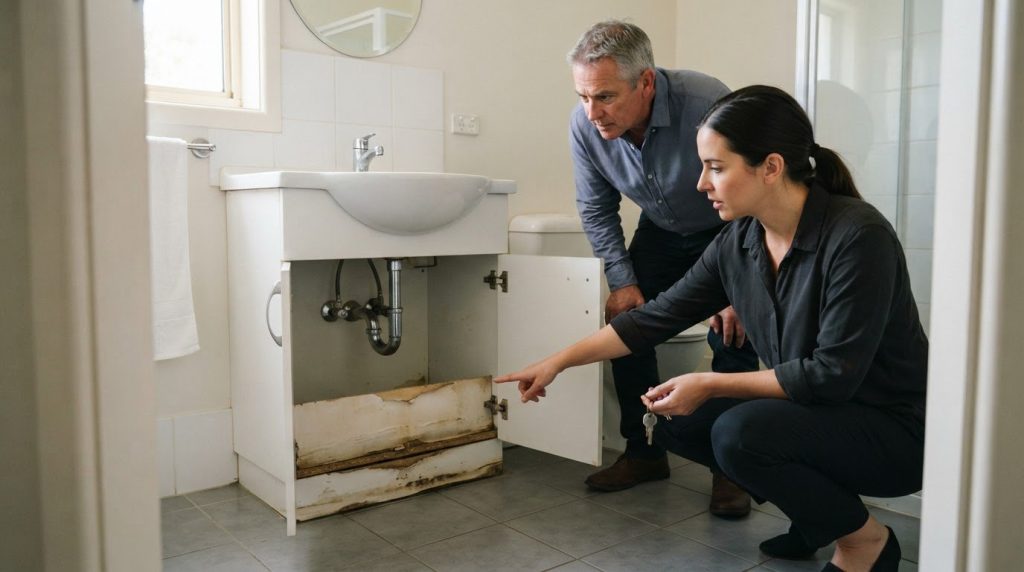
A professional indemnity claim can arise when a client alleges that an agent’s advice or services caused financial loss. Professional indemnity for real estate agents may cover claims alleging negligence, including legal defence and settlement costs, subject to the policy terms. Because this is generally claims-made cover, when a claim is made and whether retroactive cover applies can matter.It’s understandable to want clarity when everyday work, from giving advice to coordinating property maintenance, could lead to a dispute. The key is understanding which professional risks may be covered and how the policy’s timing affects a claim.This article outlines common exposures for agents, property managers and strata managers, how cover may respond to allegations of negligence, and what can affect eligibility, including disclosure and changes to your business. Key Takeaways Promptly notify the insurer about claims or circumstances that could lead to one, and keep clear records of incidents, maintenance and relevant correspondence. Cover may respond to allegations that professional advice or services caused financial loss, including legal defence and settlement costs, subject to policy terms. Eligibility can depend on the agency’s activities, claims history, business changes and the information disclosed during underwriting. In New South Wales, holding a property licence is conditional on being insured under a professional indemnity policy; tailored advice can help align cover with your business risks. Table of Contents What are the Professional Indemnity Risk Exposures? Professional indemnity cover for alleged professional negligence Business eligibility and underwriting appetite MyGen Insurance Brokers: Professional Indemnity Insurance What are the Professional Indemnity Risk Exposures? Real estate work can create exposures through advice, property management and communications. A client may allege that an agent’s advice or service caused financial loss. Depending on the policy wording, professional indemnity may also respond to claims involving defamation or misleading conduct. Both the agency’s work and the allegation matter when assessing liability.Maintenance can create separate injury and property damage risks. For example, a tenant fell 1.5 metres when a poorly maintained handrail detached at a staircase. A slip on cracked tiles can also prompt an allegation that a property manager failed to take adequate safety precautions. Timely maintenance and follow-up help reduce these risks; dated work orders, contractor updates and incident notes can show what action was taken.Claims-made cover makes timing important. A claim generally needs to be made during the policy period, while the retroactive date determines how far back earlier acts or services may be covered. Notify the insurer during the policy period about circumstances that could lead to a future claim. MyGen Insurance Brokers advises notifying the insurer as soon as possible about … [Read more...] about Professional indemnity for real estate agents and their key risks
Insurance Costs and Cover for Australian Security Companies
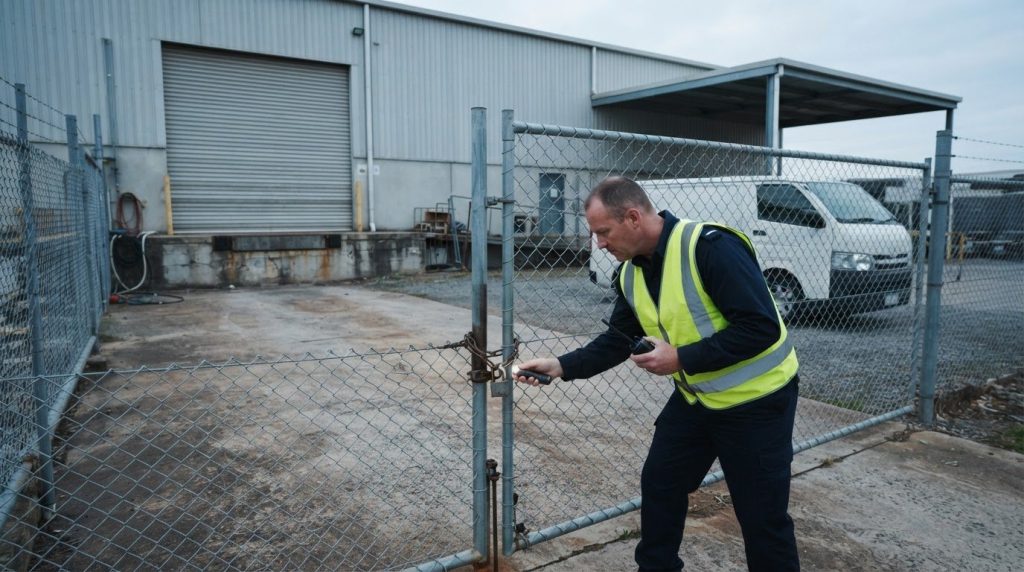
There’s no single set premium for insurance for security companies in Australia: costs vary with the work, staffing and cover required. Public liability limits commonly range from A$5 million to A$20 million, so the right figure can also depend on what a client contract demands.It’s understandable to want a clear cost before committing, especially when insurance needs differ between guarding, patrols and consultancy. This guide explains the cover security businesses may need, the factors that influence premiums, and how to compare policy limits with contract requirements.You’ll learn what public liability and professional indemnity may cover, how staffing and operational risks affect insurance needs, and what to consider when setting limits. The aim is to help you assess your business’s requirements with greater confidence. Key Takeaways Match your public liability limit to each client contract, as commercial and government work may set minimum requirements. Consider professional indemnity cover if your security work involves advice, design or supervision, where financial loss may be a concern. Compare indicative premiums by looking at the work you perform, staffing, use of force and the cover your operations require. Build a practical insurance program around your business activities, including workers compensation where you employ security staff and commercial motor cover for patrol vehicles. Table of Contents Choosing policy limits for client contracts What does security industry insurance cover? Indicative security insurance costs MyGen Insurance Brokers: Business Insurance Choosing policy limits for client contracts Security businesses commonly carry public liability limits from A$5 million to A$20 million. Contract terms, property access and the work performed shape the limit to consider.Matching limits to client contracts Start with each contract’s insurance clause. Many commercial clients and government contracts require at least A$10 million in public liability coverage. Compare that minimum with your existing policy limit, named insured details and any required endorsements before accepting work. In Victoria, public liability insurance is mandatory for applicants for a Security Business Licence under the Private Security Act 2004 (Vic).Clients may require proof of cover, such as a certificate of currency showing the insured business and relevant policy details. Compare the certificate with the contract’s stated limits and coverage requirements.Property in care, custody and control Public liability policies may treat property in your care, custody and control differently from other third-party property. Check the wording for exclusions, sub-limits and conditions that apply when staff hold keys, manage access or guard equipment. For example, guarding a client’s warehouse may involve exposure to claims involving valuable equipment, so consider this when reviewing contract terms.Care, custody and control cover can address this … [Read more...] about Insurance Costs and Cover for Australian Security Companies

Professional indemnity cover for architects and building designers
A design decision can create liability even when the work is unpaid. Professional indemnity for architects is compulsory in some Australian jurisdictions: in South Australia, practising architects must hold their own policy or be named on their employer’s, with at least A$1 million cover for any one claim and in the aggregate, plus defence costs in addition to the limit.It’s understandable to want a clear answer before arranging cover, especially if you work for an employer, take on private projects or provide advice as a building designer. Professional indemnity for architects should reflect the services you actually provide and the risks attached to them.This article explains what professional indemnity insurance may cover, when an employer’s policy may apply and why professional duties can arise even when no fee is charged. It also outlines the business and project information to prepare for a quote, so you can start the conversation with a clear picture of your work. Key Takeaways Read your employer’s policy carefully and distinguish work done in your role from private or freelance projects. Understand how design errors, regulatory issues or incomplete documents can lead to allegations of financial loss. Remember that professional duties can apply to unpaid architectural work, so pro bono services still need careful risk consideration. Prepare a clear summary of your services, projects and business changes to help shape a relevant insurance quote. Table of Contents What if my employer’s professional indemnity insurance covers me? Professional indemnity insurance for architects and building designers Civil liability for professional design and advisory services MyGen Insurance Brokers: Business Insurance What if my employer’s professional indemnity insurance covers me? An employer’s policy protects you only within its insured scope, role and named insureds. South Australian architects must hold their own professional indemnity policy or be named on their employer’s. That policy excludes private or freelance architectural services outside the job. In Victoria, each architect remains responsible for compliant cover, including when employed.Professional indemnity insurance can respond when a client alleges that an architect’s, engineer’s or designer’s advice or service caused financial loss. Depending on the policy, it may help meet legal defence costs and compensation. A design error or incomplete drawing could lead to a claim. Public liability is different: it generally concerns third-party injury or property damage, not the quality of professional advice.Who needs cover depends on the work, jurisdiction and contracts. Architects may have registration requirements, while a client may require a building designer or engineer to hold cover before engagement. In South Australia, the duty of care also applies to unpaid architectural work, so pro bono projects still carry professional exposure. List every service you provide, including side … [Read more...] about Professional indemnity cover for architects and building designers

Funds transfer fraud insurance for business bank accounts
A bank transfer can appear legitimate even when a criminal initiates it using stolen banking details. Funds transfer fraud insurance may help reimburse a business for money unlawfully transferred from its account, subject to the policy’s definitions, limits and exclusions. A payment an employee authorises after being deceived may be treated differently.That distinction matters when a transfer seems routine but leaves the business facing an unexpected cash-flow gap. This article explains funds transfer fraud, how criminals access accounts or manipulate payment processes, and how crime insurance may respond to fraudulent transfers from Australian business bank accounts. You’ll also learn why funds transfer fraud and social engineering aren’t always treated alike, and which policy details affect whether a loss is covered. Understanding how the fraud works can help you assess your protection and recognise what matters if suspicious activity appears. Key Takeaways Learn how stolen banking credentials and manipulated payment details can lead to unauthorised transfers from a business account. See why cyber policy exclusions, sublimits and definitions can affect whether a fraudulent transfer is covered. Understand how crime insurance may respond differently when criminals access an account than when an employee is deceived into approving a payment. Explore how MyGen Insurance Brokers’ Business Insurance can help businesses consider cover in the context of their broader risks. Table of Contents What is Funds Transfer Fraud? Crime insurance for fraudulent transfers from business bank accounts How funds transfer fraud works MyGen Insurance Brokers: Business Insurance What is Funds Transfer Fraud? Funds transfer fraud occurs when a criminal causes money to move electronically from a business bank account without proper authority. In Australia, funds transfer fraud insurance may respond through cyber or crime cover, depending on the policy wording.Cyber policies may cover losses from unauthorised electronic transfers, but cover varies. Crime insurance may also respond when a criminal uses stolen banking credentials or sends false instructions directly to a financial institution.Transfer Losses and Response Costs Transfer-loss cover may reimburse stolen business funds. Response-cost cover may help with investigations, legal fees related to recovery, or returning money to its rightful owner. Some policies may also cover lost income caused by fraud, business interruption, or computer system repairs. These costs matter because restoring banking access and operations can involve more than replacing the transferred funds.Definitions and Coverage Triggers A policy definition explains what counts as funds transfer fraud, while a coverage trigger identifies the event that activates cover. Commercial crime wording commonly focuses on false transfer instructions sent to a financial institution by a cybercriminal. A transfer an employee approves after being … [Read more...] about Funds transfer fraud insurance for business bank accounts

Intellectual property infringement insurance and what it covers
A copyright claim can reach a business even if the infringement was inadvertent. Intellectual property infringement insurance may cover loss, damage or liability arising from alleged inadvertent infringement of copyright, patents or other intellectual property rights connected with professional services, subject to the policy’s terms and limits.It is understandable to expect a policy to respond when a claim arrives, but the wording matters. The cover must apply to the type of infringement alleged, relate to the insured’s professional business and be current when the claim is made. This article explains how Professional Indemnity Insurance may address infringement claims, what cover can include and which conditions affect whether a policy responds. It also looks at the consequences of using protected material without permission, helping you understand the risks before a dispute escalates. Key Takeaways Using an image in client work without permission or a licence can expose a business to a copyright claim, even when the mistake was inadvertent. Consider how a claim could affect legal costs, finances and business reputation when assessing the level of cover needed. Review whether professional indemnity cover addresses alleged inadvertent infringement linked to your services, and understand its limits and settlement conditions. MyGen Insurance Brokers can help businesses consider Professional Indemnity Insurance as part of a tailored approach to business risk. Table of Contents Copyright infringement claims involving images Legal, financial and reputational consequences Copyright infringement cover under professional indemnity insurance MyGen Insurance Brokers: Business Insurance Copyright infringement claims involving images A graphic designer may face a damages claim after using a copyrighted image without permission or a licence. An advertising agency may face similar action if a client campaign includes protected content. While dedicated wall art for workplaces can be sourced safely through specialists like Panther Print, incorporating digital imagery into client work carries strict licensing responsibilities. The claim may concern the image itself, even if the mistake was not deliberate. Intellectual property infringement insurance can help cover legal costs when defending infringement claims against a business, its customers or licensees.IP infringement insurance may cover both defending allegations and pursuing alleged infringers. “IP defence insurance” usually refers to cover for defending claims, but policy labels and scope vary. Policies may cover copyright, trademark and patent disputes. Prior to rolling out new branding, conducting clearance searches with intellectual property specialists such as Henry Goh & Co can help businesses mitigate the risk of conflicting marks. Whether design disputes are covered depends on the wording and the types of infringement the insurer accepts.Cover may include legal fees to defend a claim, … [Read more...] about Intellectual property infringement insurance and what it covers