

What if the damage your tenant left behind isn't considered 'malicious' by your insurer, leaving you to foot a five-figure repair bill alone? We understand the quiet anxiety that comes with handing over the keys to your most significant asset, as you've likely spent years building your property portfolio. It's a common frustration to feel that your malicious damage by tenant insurance cover might contain fine print that excludes the very events you fear most.We'll help you navigate the complex definitions that separate accidental mishaps from intentional harm, ensuring your investment is truly protected under Australian law. We'll examine the distinction between wear and tear and malicious acts, providing a streamlined path to recovery if things go wrong. You'll gain the clarity required to manage your property with professional confidence and genuine peace of mind. Key Takeaways Define the critical difference between intentional harm and accidental mishaps to ensure your policy responds exactly when you need it. Master the documentation process by using comprehensive Entry Condition Reports and date-stamped photos to build an undeniable case for your insurer. Learn why a personalised approach to malicious damage by tenant insurance cover provides more robust protection than the standard gaps found in generic, automated policies. Discover how a dedicated broker acts as your advocate during the claims process, moving you from a state of uncertainty to one of calm and security. Table of Contents Malicious Damage vs. Accidental Damage: Defining the Risk How to Organise Your Property for a Successful Claim Securing the Right Cover: Why Personalised Brokerage Matters Malicious Damage vs. Accidental Damage: Defining the Risk Understanding the nuances of your policy is the first step toward genuine protection. Malicious damage is an intentional act driven by a motive to cause harm or destruction. Think of a tenant punching holes in plasterboard during an argument. This differs sharply from accidental damage, which lacks intent, or the gradual wear and tear that occurs over years of occupancy.In an insurance context, malicious damage is defined as an intentional act committed with the specific motive to cause harm, destruction, or loss to a property.Landlords often fall into the deliberate act trap. This occurs when an insurer denies a claim because the tenant intended the action, but perhaps not the resulting damage. For example, if a tenant attempts a DIY repair that goes wrong, the act was deliberate, but the damage wasn't necessarily malicious. Without the right malicious damage by tenant insurance cover, you might find yourself responsible for the full cost of professional repairs.Why Policy Wording is Critical for Australian Landlords Every insurer in Australia interprets these terms differently, impacting your out-of-pocket expenses. Some policies carry a higher excess for claims involving malicious damage by tenant insurance cover, while … [Read more...] about Malicious Damage by Tenant Insurance Cover: A Landlord’s Guide to Real Protection
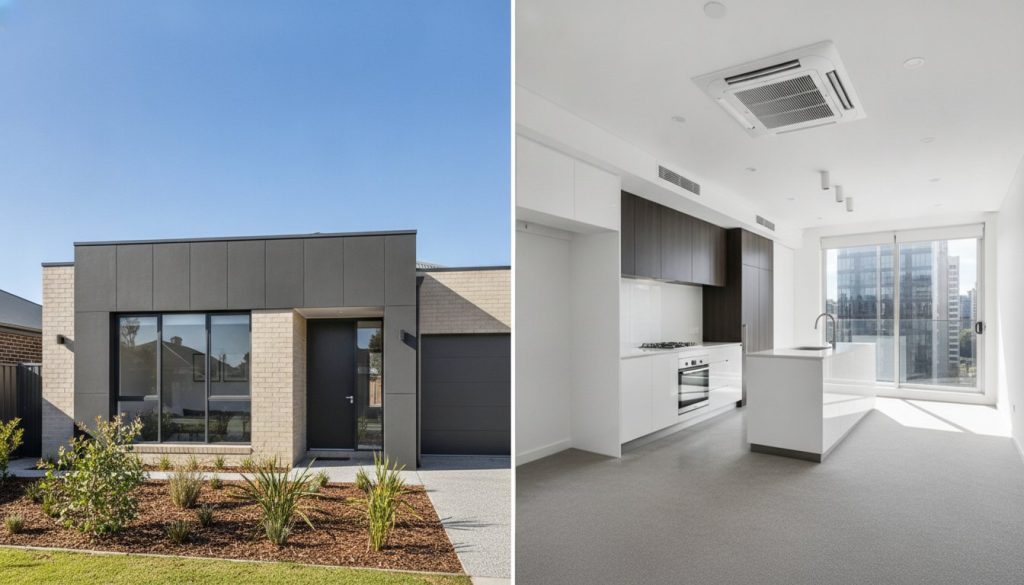
Landlord Insurance: Apartments vs Houses Guide
If you believe your strata policy covers every tenant mishap, you might be leaving your investment dangerously exposed. It's a common trap for many property owners who assume the body corporate handles the heavy lifting. When investigating landlord insurance for apartments vs houses australia, the boundaries of what you actually own can become blurred. We understand the anxiety that comes with wondering if you're under-insured for tenant-related damage or legal liability claims; it's a stressful position to be in.This guide clears up the confusion by showing you exactly what strata covers versus what you must handle yourself to ensure your investment is fully protected. We'll help you move from uncertainty to having total confidence that your specific property type is correctly insured. You'll gain a clear understanding of how to organise a policy tailored to your actual risks, rather than a generic one that leaves you vulnerable. Key Takeaways Recognise that while houses require full building cover, apartment owners must focus on the "internal shell" and contents that strata policies typically exclude. Pinpoint the specific fixtures and fittings, such as carpets and air conditioners, that often fall into the insurance gap between your policy and the body corporate's coverage. Understand your legal liability obligations as a landlord to ensure you are protected against claims, regardless of whether your investment is a freestanding home or a unit. Master the nuances of landlord insurance for apartments vs houses australia to build a tailored policy that reflects your actual risk profile and provides long-term security. Table of Contents House vs Apartment: Decoding the Australian Landlord Insurance Divide Apartment Landlord Insurance: Navigating Fixtures and Fittings Freestanding House Insurance: Managing Total Asset Exposure House vs Apartment: Decoding the Australian Landlord Insurance Divide Choosing between a freestanding house and a strata-titled unit involves more than just a different mortgage; it changes your entire risk profile. For a house, you are responsible for the whole asset, meaning you need Building and Contents cover to protect everything from the roof tiles to the sub-floor. When assessing landlord insurance for apartments vs houses australia, the distinction becomes even sharper. While the body corporate handles the building's "shell", you remain the sole guardian of the space within your four walls. You are the sole protector. Understanding Rent Insurance Explained in the context of Australian property law ensures you don't mistake a strata policy for a complete safety net. You must account for everything from the paint on the walls to the floorboards beneath your feet.To better understand this concept, watch this helpful video: Why Strata Insurance Isn’t a Safety Net for Landlords Many owners feel a false sense of security because they pay body corporate fees. It's vital to remember that strata insurance prioritises … [Read more...] about Landlord Insurance: Apartments vs Houses Guide

Does Landlord Insurance Cover Tenant Damage? A Guide to Motive and Coverage
Imagine the sinking feeling of walking into your investment property to find smashed tiles and holes in the plaster. It’s the phone call every property owner dreads, and the first question that usually follows is: does landlord insurance cover tenant damage? You've invested your hard-earned money into this asset, so it’s natural to feel anxious about out-of-pocket repair costs or the fear of a claim being rejected because of complex policy wording. At MyGen Insurance Brokers, we want to replace that stress with a sense of certainty. You’ll discover the critical differences between accidental, malicious, and deliberate damage to ensure your Australian investment is truly protected. We will guide you through what is actually claimable, how to identify wear and tear versus genuine damage, and the exact steps you need to take to document your evidence for a successful outcome. Key Takeaways Determine how motive influences your claim by answering the question, does landlord insurance cover tenant damage, when distinguishing between accidental spills and malicious intent. Learn to apply the 'single event' rule to clearly separate claimable property damage from the gradual wear and tear that insurers view as a standard maintenance cost. Understand the documentation required to meet Australian tenancy tribunal requirements, ensuring you have the evidence needed for a successful claim. Identify the risks of relying on automated 'tick and flick' quotes and how a tailored assessment ensures your sub-limits are high enough to cover major repairs. Table of Contents Accidental vs Malicious: Why Motive Matters in Landlord Insurance Wear and Tear vs Claimable Damage: Navigating the Grey Areas Securing Your Investment: Why Tailored Cover Beats Automated Quotes Accidental vs Malicious: Why Motive Matters in Landlord Insurance When you discover damage in your rental property, your first instinct is often frustration mixed with a pressing question: does landlord insurance cover tenant damage? The answer isn't a simple yes or no; it depends heavily on the motive behind the destruction. Insurers look for intent to categorise the event. Accidental damage is defined as a sudden, unforeseen mishap, such as a tenant tripping and spilling a glass of red wine on a cream wool carpet. These are genuine accidents where there was no intent to cause harm. To help clarify how insurers view these events, watch this brief guide: In contrast, malicious damage involves a clear intent to harm your property. This might include a tenant punching holes in the plasterboard or spray-painting walls during a dispute. While Renters' Insurance Explained highlights how tenants protect their own belongings, your landlord policy is there to safeguard the building and your fixtures. However, you must be wary of the 'Deliberate Act' exclusion. If you gave a tenant permission to hang pictures and they used the wrong fixings, causing the wall to crumble, many insurers will reject the … [Read more...] about Does Landlord Insurance Cover Tenant Damage? A Guide to Motive and Coverage