
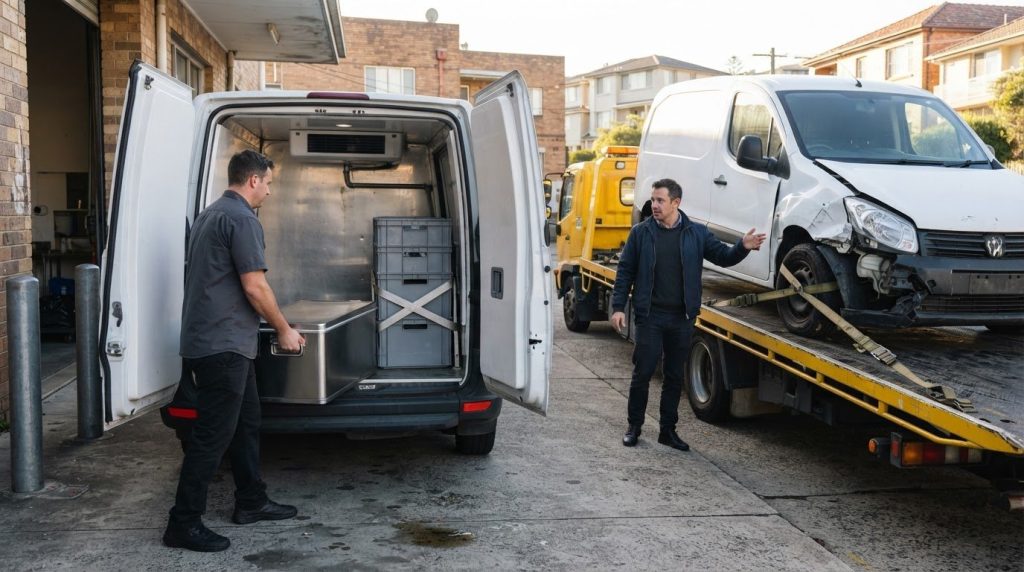
Comprehensive insurance may cover a commercial vehicle after an insured event, but it does not necessarily cover income lost while the vehicle is off the road. Loss of use coverage for commercial vehicles may help with replacement transport or business downtime, depending on the policy and selected cover. These protections are related, but they are not the same.If a vehicle is essential to daily operations, it is natural to want to know what happens when it cannot be used. This article explains how loss of use differs from comprehensive motor insurance, what a replacement vehicle can mean for a claim, and when hire vehicle or downtime cover may help keep your business moving. Key Takeaways Separate cover for damage to a vehicle from protection for the costs or income lost while it’s off the road. A suitable replacement vehicle may help keep work moving and support a loss-of-use claim. Optional hire vehicle or downtime cover can address different business needs, so understand what each benefit is designed to cover. Review how your commercial motor insurance fits your operations to identify where a vehicle outage could leave a gap. Table of Contents Loss of use cover compared with comprehensive motor insurance Mitigating damages by obtaining a replacement vehicle Optional hire vehicle or loss-of-use cover MyGen Insurance Brokers: Commercial Motor Insurance Loss of use cover compared with comprehensive motor insurance Comprehensive motor insurance addresses insured damage to the vehicle. Loss of use protection addresses transport needs or business disruption while the vehicle is unavailable. The distinction matters when repairs keep a work vehicle off the road.Rental reimbursement and cover levels Rental reimbursement helps pay eligible hire costs under the policyholder’s own motor insurance policy. It can provide transport during repairs, but it doesn’t automatically compensate a business for lost income. As at October 2026, the Australian Government’s Moneysmart guide explains the difference between compulsory third party, third party property damage and comprehensive insurance. These cover different risks, so the level selected affects which vehicle damage is insured.Exclusions and written-off vehicles Commercial motor policies may exclude mechanical, electrical or electronic breakdown, wear and tear, rust, and gradual deterioration. That distinction matters because a vehicle sidelined by a fault may not trigger the same insurance cover as accident damage. Australian written-off vehicle rules usually apply to vehicles under 4.5 tonnes and less than 15 years old. Insurers must notify the Written-Off Vehicle Register within 7 days of assessing a vehicle, and a vehicle classified as unsafe to repair can’t be re-registered.Limits on loss-of-use payments Daily caps and maximum payment periods for commercial vehicle loss of use cover depend on the policy’s limits and terms. There is no single figure that applies to every operator. Replacement … [Read more...] about Loss of Use Coverage for Commercial Vehicles Explained
Insurance Costs and Cover for Australian Security Companies
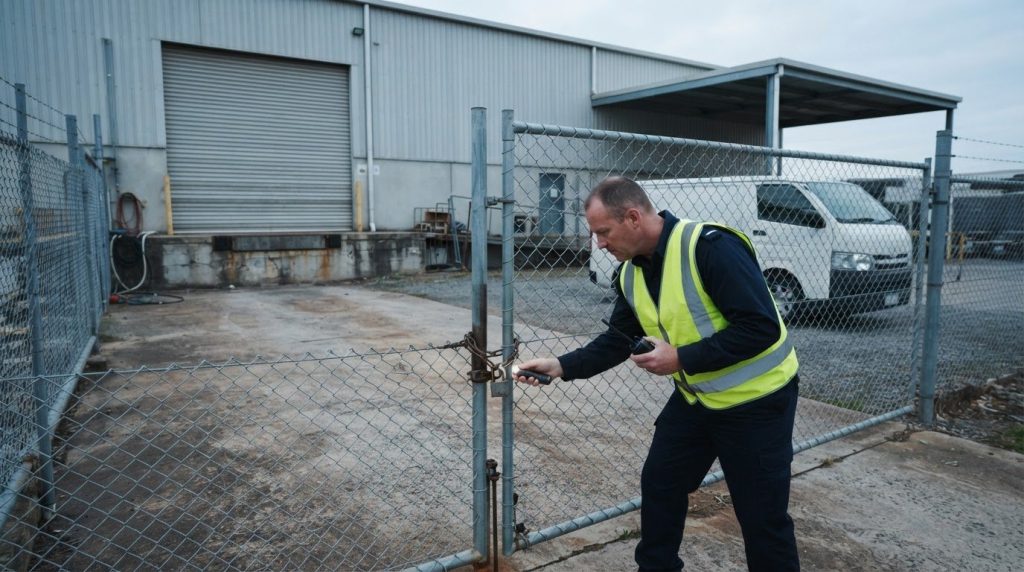
There’s no single set premium for insurance for security companies in Australia: costs vary with the work, staffing and cover required. Public liability limits commonly range from A$5 million to A$20 million, so the right figure can also depend on what a client contract demands.It’s understandable to want a clear cost before committing, especially when insurance needs differ between guarding, patrols and consultancy. This guide explains the cover security businesses may need, the factors that influence premiums, and how to compare policy limits with contract requirements.You’ll learn what public liability and professional indemnity may cover, how staffing and operational risks affect insurance needs, and what to consider when setting limits. The aim is to help you assess your business’s requirements with greater confidence. Key Takeaways Match your public liability limit to each client contract, as commercial and government work may set minimum requirements. Consider professional indemnity cover if your security work involves advice, design or supervision, where financial loss may be a concern. Compare indicative premiums by looking at the work you perform, staffing, use of force and the cover your operations require. Build a practical insurance program around your business activities, including workers compensation where you employ security staff and commercial motor cover for patrol vehicles. Table of Contents Choosing policy limits for client contracts What does security industry insurance cover? Indicative security insurance costs MyGen Insurance Brokers: Business Insurance Choosing policy limits for client contracts Security businesses commonly carry public liability limits from A$5 million to A$20 million. Contract terms, property access and the work performed shape the limit to consider.Matching limits to client contracts Start with each contract’s insurance clause. Many commercial clients and government contracts require at least A$10 million in public liability coverage. Compare that minimum with your existing policy limit, named insured details and any required endorsements before accepting work. In Victoria, public liability insurance is mandatory for applicants for a Security Business Licence under the Private Security Act 2004 (Vic).Clients may require proof of cover, such as a certificate of currency showing the insured business and relevant policy details. Compare the certificate with the contract’s stated limits and coverage requirements.Property in care, custody and control Public liability policies may treat property in your care, custody and control differently from other third-party property. Check the wording for exclusions, sub-limits and conditions that apply when staff hold keys, manage access or guard equipment. For example, guarding a client’s warehouse may involve exposure to claims involving valuable equipment, so consider this when reviewing contract terms.Care, custody and control cover can address this … [Read more...] about Insurance Costs and Cover for Australian Security Companies

Commercial Motor Fleet Insurance Quote: A 2026 Australian Buying Guide
A useful commercial motor fleet insurance quote starts with how your vehicles work, not just how many you own. Quotes can be difficult to compare when insurers need detailed vehicle and driver information, and a lower premium does not necessarily mean the cover suits your operations. Knowing what to prepare and what to compare can help you make a more informed decision.This 2026 Australian guide explains what can shape a quote, what information to gather and how to look beyond the premium. It covers vehicle use, driver details and claims history, then outlines how to compare policy terms, exclusions and excesses. A broker can help bring your business risks into the discussion and make the proposed options easier to assess. Key Takeaways A commercial motor fleet insurance quote reflects more than vehicle count. How vehicles are used and the risks around their operation matter too. Organise key vehicle, driver, operating area and claims details before requesting a quote to support a clearer assessment. Compare policy scope, exclusions, excesses and usage conditions alongside the premium. Terms can vary between insurers. A broker can help you examine your business risks, review available terms and work towards cover suited to your fleet. Table of Contents What shapes a commercial motor fleet insurance quote? How to prepare and compare a commercial motor fleet insurance quote From fleet quote to suitable cover: how a broker can help What shapes a commercial motor fleet insurance quote? A commercial motor fleet insurance quote is an insurer’s assessment of the vehicles a business operates, how they’re used, who drives them and the risks involved. There’s no single vehicle-count threshold that applies across the market: insurers set their own assessment criteria. The details behind the fleet help explain its day-to-day exposure, not just its size.Depending on the insurer, factors that may influence the assessment include: Vehicle type and value: A fleet of cars presents different considerations from one containing vans, trucks or specialised vehicles. Business use: Local service visits, deliveries and transporting equipment create different work patterns. Describe each use clearly rather than grouping all vehicles under a broad label. Operating area and storage: Where vehicles travel and where they’re kept overnight can inform the risk assessment. Drivers and claims history: Driver experience and previous claims may also be considered. A premium tells you the price; the cover terms, excesses and exclusions tell you whether the policy may suit your business. Review them together rather than treating a lower quote as proof of better value.Why vehicle count alone doesn’t tell the full story Two businesses with similarly sized fleets may have very different risk profiles. One might use mostly cars for planned service visits with a small, consistent driver group; another might use vans for frequent deliveries, with multiple drivers and changing … [Read more...] about Commercial Motor Fleet Insurance Quote: A 2026 Australian Buying Guide

Commercial Motor Insurance Australia: 2026 Strategic Guide
Your business vehicle is far more than a set of wheels; it's a vital tool of trade that keeps your daily operations moving. However, with small fleet premiums rising by up to 10 percent in early 2026, simply renewing your old policy could be a costly mistake for your bottom line. We understand the nagging worry that a misunderstood "occasional business use" clause might lead to a rejected claim exactly when you need support the most. You deserve a partner who looks beneath the surface to ensure your coverage is as precise as your own professional standards.This guide provides a strategic look at commercial motor insurance australia wide, moving past generic automated quotes to focus on genuine business continuity. We'll show you how to protect your fleet with tailored coverage that looks beyond the dashboard to safeguard your entire operation. By the end, you'll know how to handle the 2026 General Insurance Code of Practice and latest tax incentives, replacing administrative stress with absolute certainty. Key Takeaways Learn how to distinguish between private and business use to ensure your claims are never rejected due to a simple classification error. Discover how to properly account for vehicle customisations like bull bars and specialised shelving to keep your essential business tools fully protected. Understand why a deep-dive consultative approach to commercial motor insurance australia offers more security than the generic results of automated platforms. Gain peace of mind by learning how an expert broker acts as your advocate, handling the administrative heavy lifting during the claims process. Table of Contents Understanding Commercial Motor Insurance in the Australian Business Landscape Assessing Your Fleet: From Tradie Utes to Heavy Machinery The MyGen Approach: Why Tailored Brokerage Beats Automated Quotes Understanding Commercial Motor Insurance in the Australian Business Landscape Commercial motor insurance is a specialised safeguard designed for vehicles used primarily for income-generating activities. Unlike a standard car policy, this coverage acknowledges that your vehicle is a professional asset, not just a way to get from A to B. Within the broader Australian insurance market, these policies are structured to manage the higher risks associated with business operations. Most commercial motor insurance australia wide consists of three core components. Comprehensive coverage protects against accidents, theft, and weather, while third party property damage covers you if your vehicle harms someone else's assets. It's also vital to remember that while Compulsory Third Party (CTP) insurance is mandatory for your registration, it only covers personal injury. It doesn't protect your vehicle or your liability for property damage.To see how insurance is often portrayed in the local market, watch this helpful video: The Risk Gap: Why Personal Policies Often Fail Australian Small Businesses Many business owners fall into the … [Read more...] about Commercial Motor Insurance Australia: 2026 Strategic Guide

Commercial Motor Insurance Australia: A Strategic Guide for Business Owners in 2026
If one of your drivers uses a company ute for a quick weekend tip run and has a bingle, would your current policy actually pay out? It is a stressful question many business owners across the country are asking as they realise that "personal use" exclusions are more common than ever. Finding the right commercial motor insurance Australia shouldn't feel like a gamble, yet the rise of automated, one-size-fits-all quotes has left many fleets with gaps that only appear when a claim is denied. We understand the anxiety that comes with rising premiums and the recent August 2026 Heavy Vehicle National Law reforms, which have made safety management more than just a box-ticking exercise. You deserve the certainty that every vehicle, trailer, and piece of specialised equipment is legally protected without the fear of hidden fine print. This guide will help you secure a policy that protects your bottom line and leverages the latest APRA mandates for faster claims processing. We'll walk through how to build a strategic shield for your fleet, ensuring your business stays mobile, compliant, and calm in the face of the unexpected. Key Takeaways Learn why basic CTP doesn't cut it and how commercial motor insurance Australia creates a dedicated financial safety net for vehicles used primarily for business. Identify the most suitable level of cover for your fleet by weighing the benefits of Comprehensive, Fire and Theft, and Third Party Property Damage options. Master the nuances of Agreed versus Market Value to ensure your assets are protected against the volatility of the 2026 Australian vehicle market. Uncover the potential liabilities hidden within automated "tick and flick" quotes and how a deep-dive investigation can prevent the stress of a denied claim. Gain the peace of mind that comes from knowing your specialised trailers and equipment are fully integrated into a policy designed to get you back on the road quickly. Table of Contents Understanding Commercial Motor Insurance in the Australian Market Navigating Cover Levels and Policy Inclusions Why a Consultative Broker Approach Outperforms Automated Quotes Understanding Commercial Motor Insurance in the Australian Market Commercial motor insurance Australia is a specialised contract designed for vehicles used primarily for income-producing purposes. It is quite different from the standard cover you might have for a family car. While every registered vehicle in the country requires Compulsory Third Party (CTP) insurance, this only provides protection against personal injury claims from others. It offers no financial safety net for your own vehicle, your tools, or the damage you might cause to another person's property. To protect your business assets, you need a voluntary commercial policy that addresses the unique risks of the road. The Australian insurance market provides various levels of protection that pick up where statutory requirements end. Understanding these nuances is the first step … [Read more...] about Commercial Motor Insurance Australia: A Strategic Guide for Business Owners in 2026